How Europe’s New Car Sales Model Could Transform Uganda’s Auto Market
European car makers are changing how they sell cars — cutting out dealer negotiation and selling direct. Here's what Uganda's auto import market needs to know about where this is heading.

KAMPALA — When you walk into a Volvo or Mercedes-Benz dealership in the UK today, something fundamental has changed without most buyers realising it. The salesperson showing you around no longer works for a business that owns the cars on the floor and is trying to sell them at a profit. They’re now an agent of the manufacturer — earning a flat fee per car handed over, with the price set centrally by the brand and non-negotiable, whether you’re sitting in the showroom or buying online.
This is the “agency model,” and it represents the most significant structural shift in how cars are sold since manufacturers first began franchising dealers in the early 20th century. Currently Mercedes-Benz, Volvo, and Mini are the only car makers of any scale using it in the UK, selling directly to customers while paying dealers a flat fee per sale rather than selling cars wholesale to dealers who resell them at their own prices. Tesla also sells directly, but owns its showroom network outright — a different arrangement entirely.
The model was born partly from Covid. During the pandemic, car shortages meant manufacturers held all the pricing power anyway, and buyers increasingly expected to configure and purchase online rather than through face-to-face negotiation. That window created space for manufacturers to ask a question they had wanted to ask for years: why should a dealer set the final price of our product, keep the customer data, and take the margin, when we could do all of that ourselves and simply pay the dealer for the floor space and test drives?
Mercedes-Benz UK CEO Gary Savage explained the logic: “In an increasingly digitised world, customer buying habits have changed, and an agency model provides a consistent and transparent purchase journey, whether that’s online, in a physical showroom, or a combination of the two.” Volvo has gone further, crediting the system with boosting its most valuable private sales by 21% in the first six months of this year in the UK alone.
For buyers, the pitch is straightforward: no more haggling, no more wondering whether the person at the next desk got a better deal. The price on the manufacturer’s website is the price. Whether that’s actually better for consumers depends entirely on how competitive the fixed pricing proves to be, since removing dealer competition also removes one mechanism that historically pushed prices down.
Other car makers — including Stellantis, Ford, Jaguar Land Rover, and Polestar — have reversed earlier plans and stuck with the traditional wholesale franchise model, where dealers buy stock from manufacturers and resell it, accepting the financial risk but keeping the pricing flexibility and customer relationship. Mazda UK’s sales director summed up the opposing view: “Under the franchise selling method, the dealer owns the local relationship with the customer. We believe this is a huge strength and something customers appreciate.”
What this means for Uganda
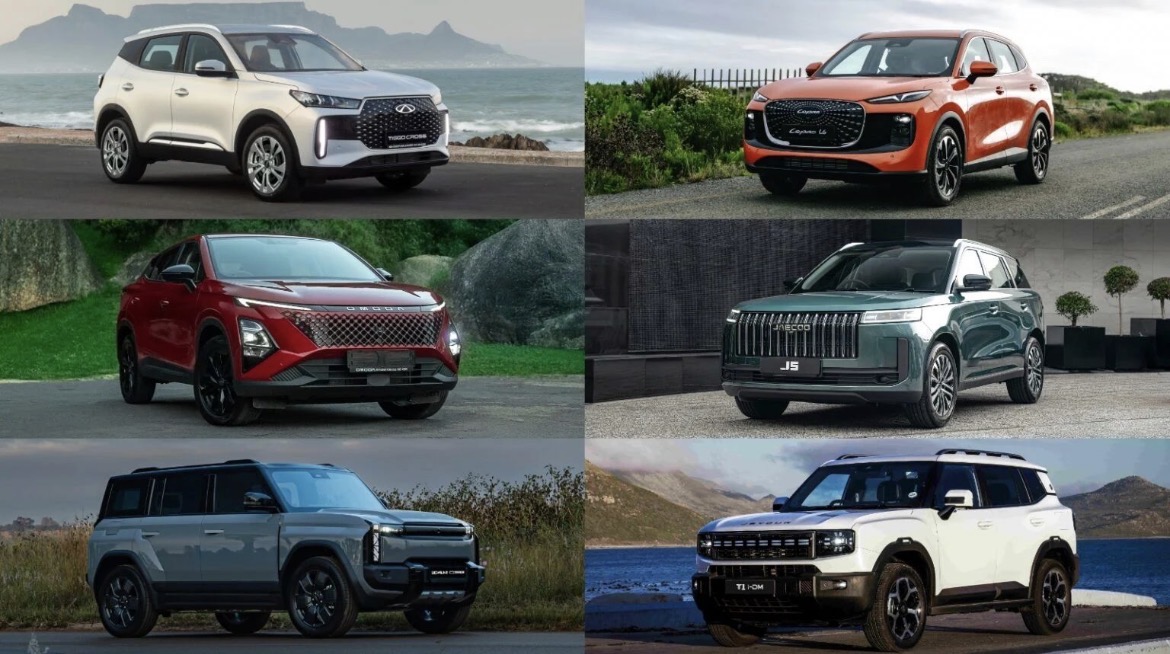
Uganda’s car market operates almost entirely differently from Europe’s. The vast majority of vehicles sold here are used Japanese imports — Toyotas, Nissans, Hondas — brought in through Mombasa, cleared at Malaba or Busia, and sold through independent dealers in Kampala’s Kitintale, Ntinda, and Kibuye markets with minimal manufacturer involvement. New car sales exist but represent a small fraction of the overall market, dominated by a handful of franchise dealers handling brands like Toyota Uganda, Nissan Uganda, and increasingly Chinese brands like Chery and JAC.
The agency model as it currently exists in the UK won’t arrive in Uganda any time soon — manufacturers simply don’t have the customer base or infrastructure here to justify running direct sales operations. But the shift matters for Uganda in three indirect ways.
First, as European and Japanese manufacturers restructure their global sales operations around direct pricing and digital customer relationships, they will eventually apply pressure on their African distributors and franchise partners to adopt similar pricing transparency and data-sharing standards. Uganda’s Toyota and Nissan franchise dealers could within a decade face the same conversation their UK counterparts are navigating now.
Second, Chinese car brands — who are already gaining significant market share in Uganda through companies like Sichuan Guorunbo Commercial and other importers — have consistently sold more directly through digital platforms and flexible pricing arrangements rather than traditional franchise models. If the agency model proves successful in Europe and accelerates the shift toward manufacturer-controlled pricing globally, Chinese brands that already operate closer to that model may find themselves better positioned in markets like Uganda than legacy European and Japanese brands still reliant on multi-layered import and distribution networks.
Third, Uganda’s used car market could eventually be affected indirectly. As European manufacturers tighten control over new car sales data, residual values, and pricing history, the downstream information that shapes what used Ugandan importers pay for ex-European fleet vehicles at auction could become more standardised and potentially more expensive to access without going through manufacturer-controlled channels.
For now, Ugandan car buyers continue to find the best deals through the informal negotiation and relationship-based commerce that defines Kitintale market — the exact opposite of what the agency model represents. Whether that changes will depend largely on how fast Chinese manufacturers, EV importers, and digital car platforms choose to enter Uganda’s market and on what terms.









Join the conversation
The Black Examiner values your comments but kindly requests all posts are on topic, constructive and respectful. Please review our commenting policy.