Novartis Launches First Malaria Treatment for Babies Under 5kg

Novartis AG has received regulatory approval for a new malaria treatment tailored specifically for infants, marking a major milestone in the global battle against the deadly disease.
The Swiss pharmaceutical giant announced on Tuesday that Swissmedic, the country’s drug authority, approved a newly formulated version of its antimalarial drug Coartem. This version is intended for babies weighing between 2 kilograms and just under 5 kilograms (approximately 11 pounds). Novartis stated that it anticipates regulatory approvals in eight African nations soon and plans to distribute the treatment largely on a not-for-profit basis.
Previously, newborns suffering from malaria were typically given scaled-down versions of medications designed for older children. The new formulation—also referred to as Riamet Baby in some markets—was developed in collaboration with Medicines for Malaria Venture (MMV), a Swiss non-profit that focuses on the development of malaria treatments.
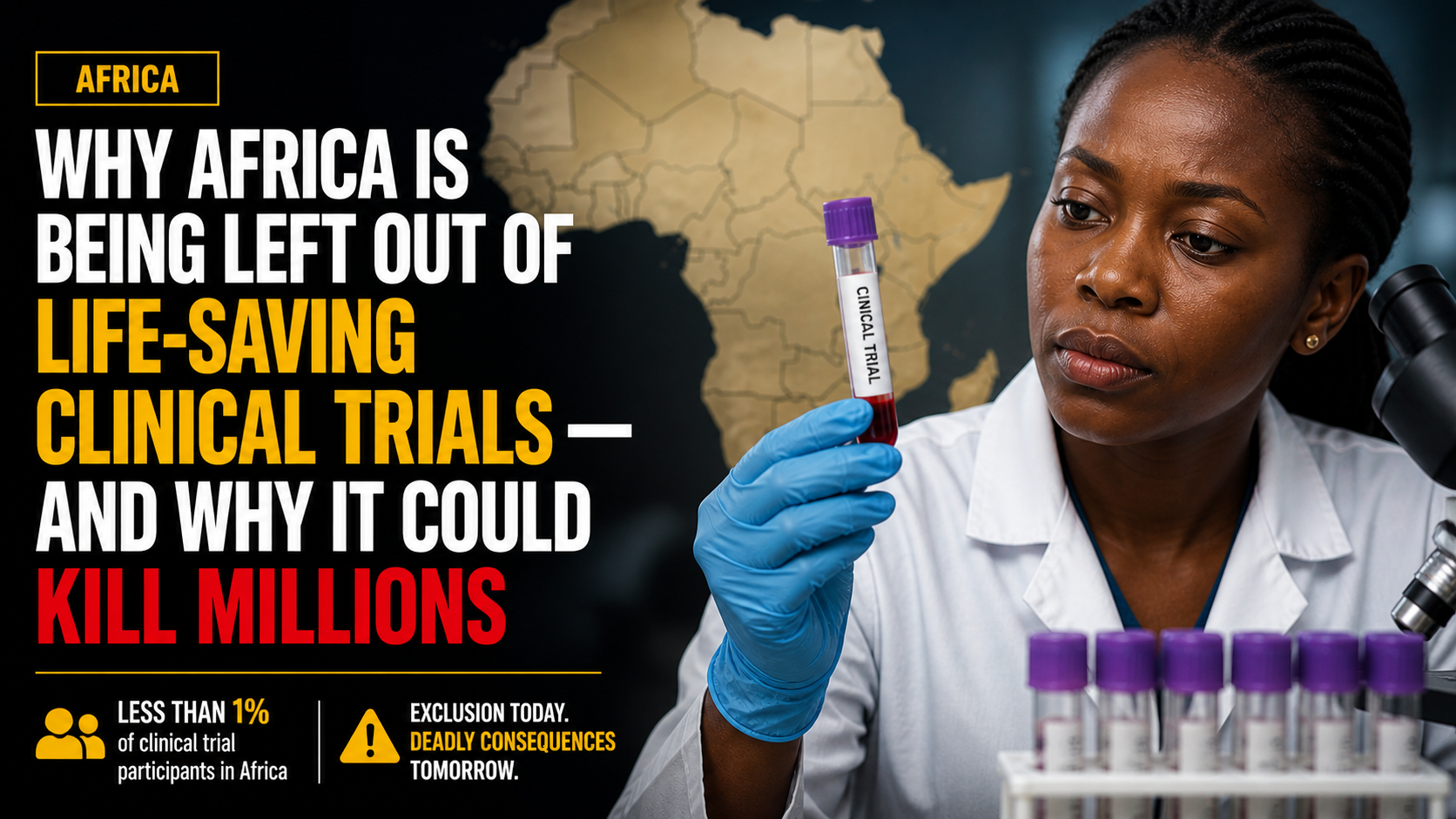
According to the World Health Organization’s most recent report, 2023 saw 263 million malaria infections worldwide, with 597,000 resulting deaths. A significant majority of these fatalities occurred in African nations, and roughly 75% involved children under five years old.
Novartis is also advancing other malaria-related research, including a late-stage candidate aimed at countering drug resistance and another potential single-dose cure currently in development.
Despite the company’s progress, its shares were down 0.5% as of 1 p.m. local time in Zurich. However, the approval provides a boost to malaria eradication efforts, especially after recent financial setbacks to global health programs.
Earlier this year, major funding cuts to the U.S. Agency for International Development (USAID) sparked fears about weakening international health initiatives. A recent study cautioned that these reductions could lead to over 14 million additional deaths by 2030 from diseases such as malaria and HIV/AIDS.
In response, some East African nations are increasing their healthcare investments to help bridge the funding gap. Kenya, the region’s largest economy, has announced plans to commit around $130 million to a global partnership aimed at combating HIV/AIDS, malaria, and tuberculosis.







Join the conversation
The Black Examiner values your comments but kindly requests all posts are on topic, constructive and respectful. Please review our commenting policy.