Richest Kids in Africa 2026: Wealth, Influence, and the Reality Behind Their Fortunes
Discover the richest kids in Africa in 2026, how they inherited or built their wealth, and the truth behind their fortunes. From royal heirs to billionaire children, here's who tops the list.
Across Africa, a new generation is growing up with access to fortunes worth billions of dollars. While many of these young people have inherited family wealth, others are already beginning to shape the future of business, philanthropy, technology, and investment across the continent.
Unlike many celebrity-rich lists circulating online, there is no official ranking of Africa’s richest children because most family fortunes are privately held. However, based on publicly available information about family wealth, inheritance structures, royal assets, and business ownership, several young Africans stand out as heirs to some of the continent’s largest fortunes.
Here’s a look at the children expected to inherit Africa’s biggest fortunes in 2026.
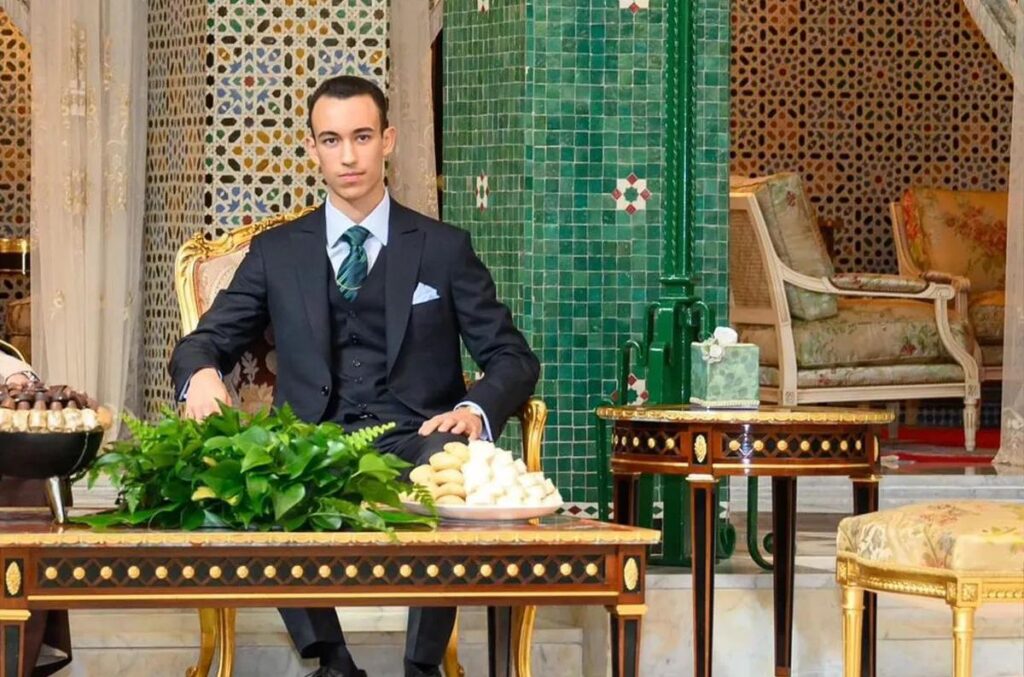
1. Crown Prince Moulay Hassan (Morocco)
Often regarded as Africa’s wealthiest royal heir, Crown Prince Moulay Hassan is the eldest son of King Mohammed VI of Morocco.
The Moroccan royal family controls extensive investments through Al Mada, one of Africa’s largest investment holding companies, with interests in banking, mining, agriculture, telecommunications, insurance, renewable energy, and real estate across dozens of African countries.
Although the assets belong to the royal family rather than the prince personally, he is widely expected to inherit significant influence over one of Africa’s largest fortunes.
Estimated family wealth: More than US$5 billion
2. Halima Dangote (Nigeria)
Halima Dangote is the daughter of Nigerian industrialist Aliko Dangote, Africa’s richest man.
She serves on the board of Dangote Industries and has increasingly taken part in overseeing parts of the family business empire, which spans:
- Cement
- Sugar
- Fertiliser
- Oil refining
- Food manufacturing
- Logistics
With the launch of the Dangote Refinery, the family’s business empire has become even more valuable.
Estimated family wealth: Around US$24 billion
Mariya Dangote has largely stayed away from the public spotlight compared to her sister.
Despite maintaining a private life, she remains one of the principal heirs to Africa’s largest privately owned industrial conglomerate.
4. Fatima Dangote (Nigeria)
Fatima Dangote is another daughter of Aliko Dangote and is among the future beneficiaries of the family’s enormous industrial empire.
Together, the Dangote siblings are expected to inherit stakes in businesses that dominate large sectors of Nigeria’s economy.
5. Jonathan Oppenheimer (South Africa)
Jonathan Oppenheimer belongs to one of Africa’s wealthiest mining families.
The Oppenheimer family built its fortune through diamonds, particularly De Beers, before expanding into investment, conservation, aviation, technology, and venture capital.
The family remains among South Africa’s richest.
Estimated family wealth: More than US$10 billion
6. Kojo Annan’s Children (Ghana)
While not billionaires themselves, descendants of the late UN Secretary-General Kofi Annan come from one of Africa’s most internationally respected families.
Their influence comes more from diplomacy, global business, and international networks than inherited industrial wealth.
7. Patrice Motsepe’s Children (South Africa)
Mining billionaire Patrice Motsepe’s children are expected to inherit interests in African Rainbow Minerals and several investment businesses.
Motsepe is also well known for his philanthropic work through The Giving Pledge alongside Bill Gates and Warren Buffett.
Estimated family wealth: Around US$3 billion
8. Johann Rupert’s Children (South Africa)
The Rupert family controls Richemont, one of the world’s largest luxury goods companies, with brands including Cartier, Van Cleef & Arpels, and Montblanc.
Johann Rupert’s children are expected to remain influential figures in the global luxury industry.
Estimated family wealth: More than US$14 billion
9. Mohamed Mansour’s Grandchildren (Egypt)
The Mansour family operates one of Africa’s largest diversified business groups, with interests including:
- Automotive distribution
- Consumer goods
- Technology
- Financial services
- Real estate
Future generations are expected to inherit one of Egypt’s largest private fortunes.
10. The Sawiris Family’s Next Generation (Egypt)
The Sawiris family remains among Africa’s wealthiest, with investments across:
- Telecommunications
- Construction
- Hotels
- Real estate
- Technology
- Financial services
The family’s younger generation is increasingly involved in managing global investments.
Wealth Is More Than Money
While many of these young heirs are associated with enormous fortunes, most do not personally own billions of dollars today. Instead, they are expected to inherit family-controlled businesses, trusts, or royal assets over time.
Many have also pursued higher education and are taking active roles in family companies, preparing to lead businesses that employ hundreds of thousands of people across Africa.
For this reason, influence, education, leadership, and stewardship are becoming just as important as inherited wealth.
Africa’s Wealthiest Families Continue to Shape the Future
Africa’s richest families remain central to the continent’s economic growth through investments in manufacturing, mining, banking, infrastructure, agriculture, energy, technology, and philanthropy.
As leadership gradually passes to a younger generation, these heirs are expected to play an increasingly important role in determining the future direction of some of Africa’s largest companies and investment groups.
Whether they choose entrepreneurship, philanthropy, or corporate leadership, their decisions are likely to influence millions of jobs and billions of dollars in economic activity across the continent in the years ahead.









Join the conversation
The Black Examiner values your comments but kindly requests all posts are on topic, constructive and respectful. Please review our commenting policy.