How Coastal Regions Are Redefining Modern Roofing and Construction Standards
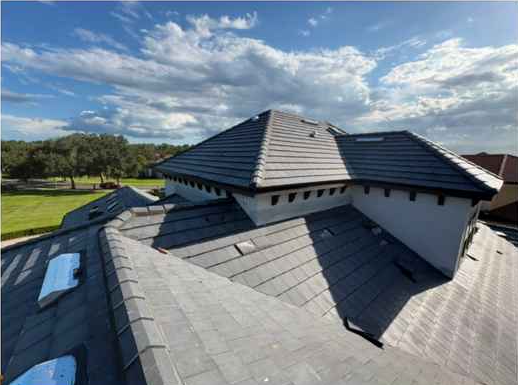
If you have ever stood in your driveway after a storm and watched a water pool where it should be draining away, you already know coastal living comes with its own rulebook. Salt air, heavy rain, and shifting winds do not treat a roof or a foundation the way inland weather does.
Stick around, because we are going to walk through the real problems, the real numbers, and what a proper before and after upgrade actually looks like.
The Coastal Squeeze
Salt air is corrosive. It attacks metal fasteners, flashing, and even certain shingle adhesives faster than inland weather ever could.
- Sustained winds during a major hurricane can top 111 mph, with gusts pushing well past that
- Salt laden air speeds up corrosion on metal fasteners, flashing, and gutters
- Humidity and constant UV exposure can shave years off a standard asphalt shingle roof compared to the same product installed further inland
Put together, these factors mean a roof built to ordinary standards is already behind before the first storm even arrives.
Quick pain points coastal homeowners deal with constantly:
- Rusted flashing and fasteners within 5 to 7 years instead of the typical 15
- Shingle granule loss from wind driven salt exposure
- Mold and rot in attic framing due to trapped humidity
- Higher insurance premiums when roofs fall below wind rating standards
The New Standard: Wind and Corrosion Rated Materials
Modern coastal roofing led by Fort Myers’ certified roofing contractor, is not just “install and hope.” Builders are now specifying materials rated for 130 to 150 mph wind uplift and using stainless or coated fasteners that resist salt corrosion for decades, not years.
Metal roofing with a Kynar coating, for instance, can hold its color and structural integrity for 30 plus years in salt heavy environments, compared to 12 to 15 years for standard asphalt shingles in the same conditions. That is not a small upgrade. That is the difference between reroofing twice in twenty years or once.
What Is Actually Changing
Building codes and materials in coastal markets have shifted fast over the last several years.
- Impact rated shingles and wind rated systems built to handle gusts of 130 mph or more are becoming standard, not a premium add on
- Sealed roof deck systems add a second layer of water protection underneath the shingles, so a lifted shingle does not automatically mean a leak
- Programs like the FORTIFIED roof standard, backed by the Insurance Institute for Business and Home Safety, push contractors toward stronger nailing patterns, better edge protection, and improved attic ventilation
For homeowners, this usually means fewer emergency repairs and, in many states, a real shot at lower insurance premiums.
Signs Your Roof Is Losing the Fight
Run through this quick check the next time you are outside.
- Granules collecting in gutters or piling up at the base of downspouts
- Shingles that curl, crack, or lift at the edges
- Rust streaks near flashing, vents, or metal trim
- Water stains spreading across interior ceilings after heavy rain
Catching even one of these early is usually the difference between a simple repair and a full replacement.
Drainage and Grading Matter Just as Much as the Roof
A great roof means nothing if water pools around your foundation because of poor grading. Coastal soil tends to be sandy and shifts more than inland clay based soil, which means drainage systems need more attention, not less.
It Is Not Just the Roof
Coastal construction standards are not only about what sits over your head. Grading and drainage carry just as much weight in protecting a home.
- Poor yard grading sends water straight toward the foundation instead of away from it
- Standing water after storms is one of the most common triggers for erosion and eventually foundation cracking
- A properly graded lot should carry a noticeable slope away from the structure for at least the first several feet
A driveway or backyard that still holds water a full day after rain usually means the grading needs attention before the next big storm.
What This Means for Resale Value
Homes with updated wind rated roofing and proper drainage systems are increasingly flagged as lower risk by insurers, which can translate into real premium savings. Buyers in coastal markets are also getting savvier. They ask about roof age, wind rating, and drainage history before making offers, not after inspection surprises show up.
Investing in these upgrades now is not just about avoiding the next storm. It is about protecting the long term value of the property.
A Quick Coastal Home Checklist
Save this and run through it once a season.
- Walk the roofline and look for lifted, curled, or missing shingles
- Check gutters and downspouts for granule buildup
- Watch how water moves across your yard during the next heavy rain
- Ask your contractor whether your roofing system carries a wind rating, and what it is
- Confirm your yard’s slope actually carries water away from the foundation, not toward it
Coastal living will always come with a few extra demands, but none of them are unmanageable once you know what to look for. The homes that hold up best are simply the ones built to standards that match the climate they sit in.
If your roof or drainage has not been checked in the last year, now is a good time to change that. A free estimate and a quick inspection can tell you exactly where your home stands today, long before the next storm makes that decision for you. Reach out and get on the schedule before the next storm rolls in.
Read more At Bucktown Grading and Construction











Join the conversation
The Black Examiner values your comments but kindly requests all posts are on topic, constructive and respectful. Please review our commenting policy.